

No products in the cart.
A Global Survey of Extraordinary Football Stadiums
Football stadiums have evolved beyond mere sporting venues to become global landmarks and architectural masterpieces, often merging seamlessly with their natural or urban environments, this report highlights several world-renowned stadiums that redefine the traditional concept of sports infrastructure through their unique designs and locations.
Geological and Natural Integration Many stadiums demonstrate remarkable adaptation to challenging terrains.
Braga Stadium in Portugal, for instance, was carved directly into a rock face, resulting in a structure with only north and south stands, Similarly, Croatia’s Gospin Dolac Stadium is situated within an archaeological site featuring Byzantine and Ottoman fortifications, overlooking a deep blue lake, In Switzerland, the Ottmar Hitzfeld Stadium holds the title of the highest in Europe, accessible exclusively via cable car.
Engineering and Technological Innovations Technological advancements have led to pioneering designs, such as the Sapporo Dome in Japan, which features a retractable pitch that switches between baseball and football configurations, Taiwan’s National Stadium represents a milestone in sustainability as the world’s first solar-powered stadium, designed in the majestic shape of a dragon, Singapore’s Marina Bay Floating Stadium remains the only steel-constructed floating pitch in the world,, while Germany’s Allianz Arena was the first to implement an exterior capable of changing colors.
Urban Integration and Mixed-Use Developments Innovative use of urban space is evident in projects like the Stadion Shopping Center in Serbia, constructed atop a commercial mall, and Japan’s Adidas Park, located on the roof of a retail store in Tokyo’s Shibuya district, Historically, Greece’s Panathenaic Stadium stands alone as the only venue constructed entirely of white marble, dating back to the Roman era.
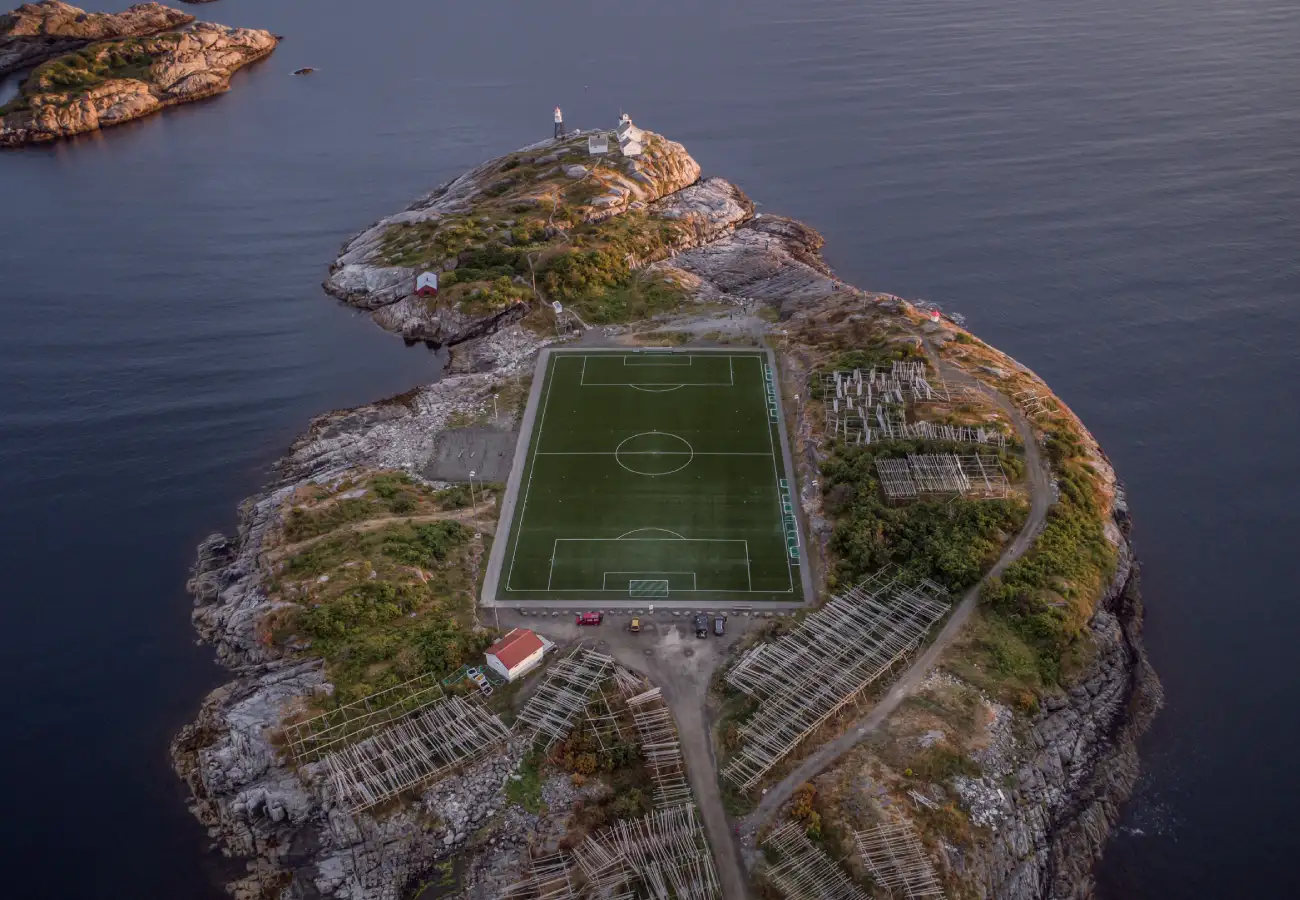
Unique Scenic and Cultural Contexts Some venues gain fame for their unconventional surroundings, such as the TJ Tatran Šierny Balog in Slovakia, where a functioning railway line passes between the pitch and the spectator stands, Others, like the Henningsvær Stadium in Norway, are located on remote fishing islands, offering a dramatic coastal backdrop, These venues prove that the environment and architecture of a stadium can sometimes rival the game itself in terms of public attraction.




Leave a Reply